The environment is where we all meet; where we all have a mutual interest; it is the one thing all of us share. We won't have a society if we destroy the environment
Climate change knows no borders; its impacts are felt by all living beings on this planet. Biodiversity loss not only erases nature's beauty but weakens the web of life that sustains us. Plastic pollution in oceans silently screams that our throwaway culture is suffocating marine life.

Global warming refers to the long-term increase in Earth's average surface temperature due to human activities, primarily the emission of greenhouse gases into the atmosphere.
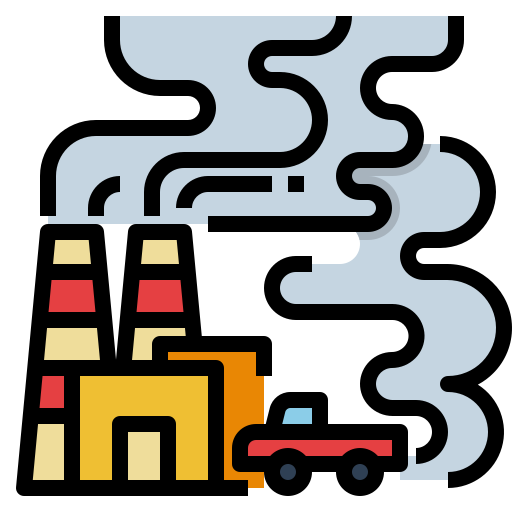
Emissions from vehicles, industries, and power plants leading to poor air quality, respiratory diseases, and environmental damage.
.png)
Contamination of water bodies (rivers, lakes, oceans) due to industrial discharge, agricultural runoff, sewage, and improper waste disposal.

The ongoing loss of species and ecosystems due to habitat destruction, pollution, invasive species, and overexploitation.
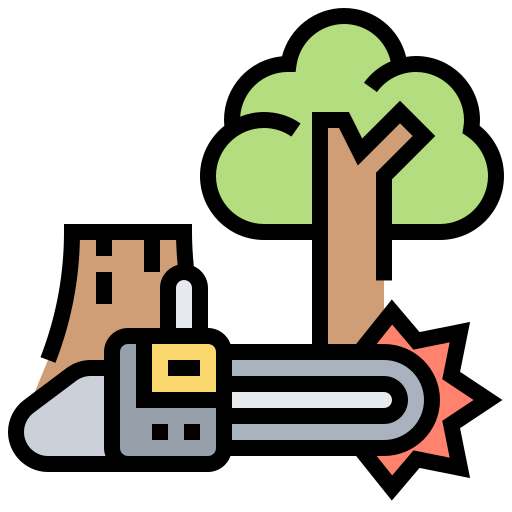
The large-scale clearing of forests for agriculture, logging, and urban development, leading to habitat loss, carbon dioxide emissions, and disruption of ecosystems.
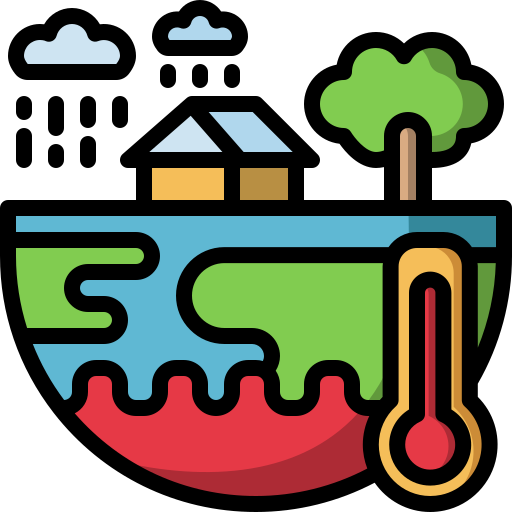
Rising global temperatures, sea-level rise, and extreme weather events caused by the accumulation of greenhouse gases in the atmosphere from human activities like burning fossil fuels.
To perform a statistical analysis of environmental changes, you would typically need relevant data sets that cover various aspects of the environment, such as temperature, precipitation, greenhouse gas emissions, sea-level rise, biodiversity, and more. Depending on the specific focus of your analysis, you can use statistical methods to identify trends, correlations, and patterns in the data
57% Globalwarming
21% pollution
12% Biodiversity Loss
8% safe environment